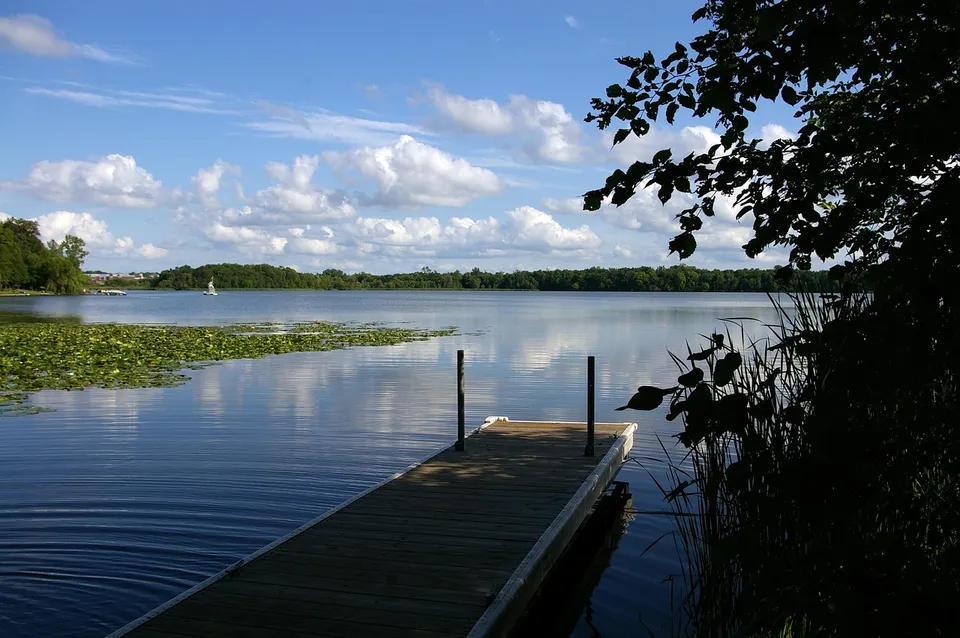
On the North Shore, a small resort can be both tiny and complicated. Golden Eagle Lodge says it typically runs with six to eight employees, tailors jobs to individual strengths, and cross-trains staff, yet the same page also lists boat cleaning, wood handling, campground maintenance, trail work, and housekeeping. It says employees need their own vehicle, notes that the property is 27 miles from Grand Marais, and adds that there is no public transportation on the Gunflint Trail. That is not a generic hiring ad; it is an operating map.
That distinction matters because helpfulness is not the same thing as authority. At a resort, one person may be willing to pitch in everywhere, but that does not mean the person is ready to supervise food safety, handle a guest payment record, or make an equipment call without training. In the research report, the clearest examples come from small-property work where reservations, housekeeping, grounds, boats, and trail work can overlap, but the handoff still has to be clear about who owns each task.
Why the posting should describe the handoff, not just the title
A job title such as guest services, grounds, or recreation sounds simple until the shift starts. On a small northern Minnesota property, guest services may mean reservations, front-desk communication, and problem-solving at one place, while grounds may include landscaping, dock-adjacent work, or site upkeep at another. That is why a posting should say what the worker actually covers on a normal day, what becomes backup work, and what requires another department to finish the job. The research notes that a realistic description separates routine duties from occasional cross-coverage and identifies the actual worksite and weekends or seasons that must be worked.
This is especially important in northern Minnesota because property design changes the job. A full-service hotel, a cabin resort, a campground, and a marina do not use labor in the same way. The report’s comparison shows that a cabin property may rely on fewer workers moving between guest contact and physical upkeep, while a campground needs attention to sites and shared facilities and a marina adds watercraft and dock work. In other words, the question is not simply whether someone is willing to help. It is whether the work can be handed off safely and cleanly when the guest, the weather, or the season changes.
Cross-training helps, but authorization still has boundaries
Food service is the clearest place to draw the line. The Minnesota Department of Health says most food establishments must employ a Certified Food Protection Manager, subject to exemptions, and that the role includes hazard identification, food-safety procedures, employee training, corrective action, and in-house inspections. Initial certification requires approved training, an approved exam, and a $45 application fee within the required period after the exam, and the certificate lasts three years. MDH’s CFPM page is a good reminder that kitchen orientation is not the same thing as formal food-safety authority.
That difference matters to applicants as much as it does to employers. A housekeeper who is cross-trained to restock breakfast supplies is not automatically qualified to supervise the food program. A front-desk employee who can explain a delay is not automatically authorized to inspect a kitchen. A maintenance worker who can handle basic upkeep is not automatically the right person to decide whether a food-service issue has been fixed. The best postings say where training will happen, what the worker can do independently, and what must be escalated to a manager.
Housing, commute, and season belong in the offer
In remote or semi-remote parts of the North Shore, the practical cost of saying yes is part of the job decision. Golden Eagle’s published staff housing costs about $5 per day, or roughly $150 per month, with utilities and internet included in a shared building. That is the employer’s arrangement, not a regional norm. In the same research, DEED’s county profile shows Cook County median monthly rent of $886 and 41.0% renter cost burden, which helps explain why housing terms can shape whether an applicant can actually take a job.
The commute question is just as real. Golden Eagle’s own page says the property is 27 miles from the nearest town and that employees need their own vehicle because there is no public transportation on the Gunflint Trail. For an employer, that means a shift schedule is not just a calendar; it is a transportation plan. For an applicant, it means the posting should answer whether you are expected to drive before sunrise, stay late after dinner service, or stay on site between shifts.
Don’t read regional wage data as a promise
The wage conversation needs the same caution. DEED’s Northeast Minnesota data show 14,321 annual-average accommodation-and-food-services jobs in 2025, down 55 from 2024, with an annual average wage of $23,660. That figure helps describe the regional industry, but it is not a quoted pay offer from a particular resort, and it does not tell you tips, hours, or housing deductions. In practice, a posting should separate base pay from any bonus, housing charge, or other allowance so the worker can compare real options instead of guessing.
A seasonal label also does not erase wage rules. Minnesota’s Department of Labor and Industry says overtime generally applies after 48 hours in a workweek, and the federal seasonal amusement-or-recreation exemption does not automatically cover resort hotels just because they are resorts. Seasonal work still needs a payroll plan, and applicants still need to know whether they are being hired for a short burst or a longer shoulder-season stretch.
A stronger North Shore posting answers five questions
Before you post, revise, or accept the job, check whether the ad answers these questions clearly:
- Which department does this person actually own?
- Which tasks are backup duties only?
- What requires training, manager sign-off, or specialized authorization?
- Is a personal vehicle required, and are shifts reachable with the stated commute?
- Is housing offered, what does it cost, and does it last through the whole season?
Those answers make the job easier to run and easier to accept. They also show respect for the fact that a northern Minnesota resort job is rarely just one job for long.
If you are hiring, start with the real handoff map: worksite, season, coverage, and any housing or transportation requirement. If you are applying, send your availability, location, and the tasks you already know how to cover to call Express or email apply@expressprosmn.com.