A resort job in northern Minnesota is not only about beds made, meals served, or boats cleaned. On the Gunflint Trail, the practical question can be much simpler: can you actually get to the worksite every day, in every season, without help from public transit? One documented property says it sits 27 miles outside Grand Marais, has no public transportation on the trail, and expects employees to bring their own vehicle. That same employer describes its operation as a summer resort and campground that becomes a winter Nordic ski center, which means the work changes with the season as well as the weather.
That is why transportation belongs in the job description, not just in the fine print. Cook County’s county profile shows that 69.1% of resident workers travel by car, truck, or van and the county’s mean commute is 16.6 minutes, but those figures are broad county averages, not proof that a remote trail job is easy to reach for every shift. They do, however, help explain why a North Shore employer may need to ask a tougher question than “Do you have hospitality experience?” The real question may be whether the applicant can reliably cover early openings, late closings, and stormy shoulder-season days. See the Cook County county profile for the local commute and housing context.
What a remote resort actually needs
At a small property, the title on the ad may hide a much wider job. Golden Eagle Lodge says it usually has only six to eight employees, tailors jobs to individual strengths, and cross-trains staff so one person may help with lawn mowing, boat cleaning, wood handling, campground maintenance, trail work, and housekeeping. That is a very different work pattern from a large hotel where departments stay more separated. It also means the applicant should not assume that a summer “outdoor” role will stay outdoors all season, or that a winter role will avoid guest-facing work entirely.
That same small-property structure changes what “good experience” means. Prior cleaning work can transfer to turnover days. Guest-service experience can help with reservations and problem solving. But no résumé automatically covers every task when one person may be asked to pivot from guest contact to cleanup to hauling supplies. The useful interview question is not “Have you ever worked in a resort?” It is “Which tasks will I own, which ones are cross-trained, and which ones stay with another department?” That distinction is central to Golden Eagle’s employment page.
Housing changes the math
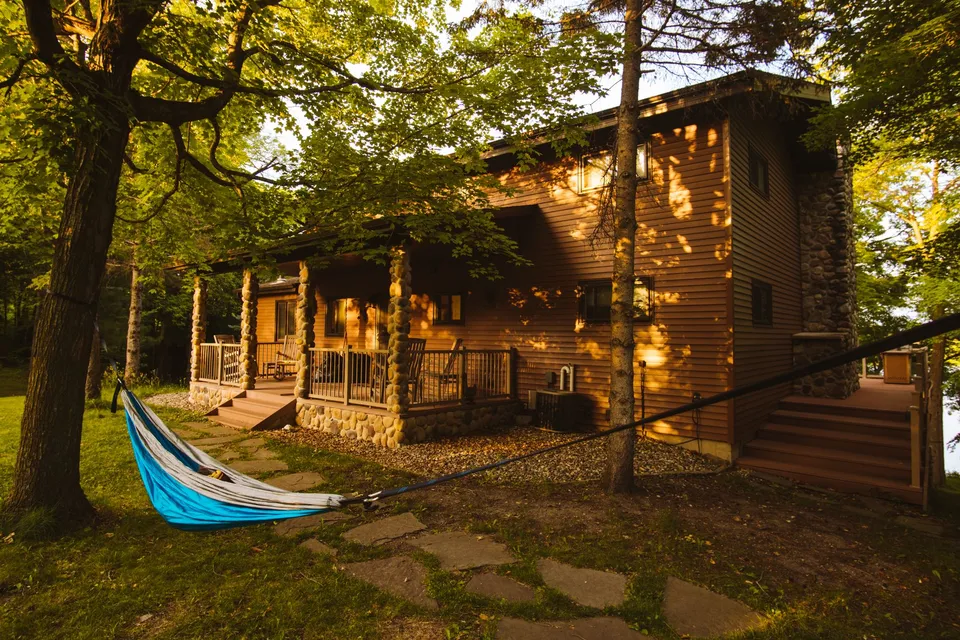
Remote hospitality work often rises or falls on housing, but housing is not one thing. Golden Eagle says its staff housing costs $5 per day, or about $150 per month, and includes utilities and internet in a shared building with lockable bedrooms and bathrooms and shared living spaces. That is a specific employer arrangement, not a standard North Shore rate. It is also a reminder that “housing available” does not necessarily mean “private,” “free,” or “available in every season.”
The local housing market helps show why that distinction matters. DEED’s county profile for Cook County reports a median monthly rent of $886 and says 41.0% of renters spend at least 30% of their income on rent. Those numbers do not tell an applicant what a resort will charge, but they do explain why employer-provided housing, even when shared or limited, can change whether a job is practical. For readers comparing offers, the important step is to separate the advertised wage from the housing terms before making the commute decision.
The season is part of the schedule
The North Shore’s work calendar is not one season repeated twelve times. At a property that shifts from summer resort to winter ski center, the job mix changes with guest activity. A person hired for warm-weather boating or campground work should ask what happens when the boats are stored, the trail work begins, or the guest flow drops. A worker who returns for another season may already know the property, but the next season can still change the balance of housekeeping, grounds, recreation, and guest support.
That is why the best offers are the ones that spell out more than a paycheck. They name the worksite, say whether a vehicle is required, identify whether housing is on site, and explain what gets cross-trained. They also make clear whether the position is summer-only, winter-only, or truly year-round. When those details are vague, the applicant is left to guess at the real cost of saying yes.
Questions worth asking before you accept
If you are considering a remote resort or hospitality job in northern Minnesota, ask these questions before you commit:
- How far is the property from the nearest town, and do I need my own vehicle?
- Is staff housing included, and if so, what does it cost and what is shared?
- Which tasks stay in my department, and which ones are cross-trained?
- What changes when shoulder season begins?
- Is the schedule stable enough for my transportation and family needs?
Those questions are not signs of doubt. They are how you turn a job title into a workable plan.
If you want help matching your availability, location, and work preferences to northern Minnesota hospitality openings, call Express or email apply@expressprosmn.com.